Wool comforters deliver natural warmth and moisture regulation, making them a staple for climate-neutral bedding. This category highlights comforters crafted with high-quality wool fills, emphasizing breathability, temperature management, and durable insulation. Understanding wool's hygroscopic properties helps explain how these comforters can adapt to cool nights and warmer evenings without overheating.
Key characteristics include fiber loft, fill power, and fabric shell composition. Wool fibers trap air to create insulation while allowing airflow to reduce overheating. Many All-Natural Dual-Weight Comforters balance medium and light warmth, suitable for transitional seasons and varied sleeping environments, ensuring a comfortable rest without excessive weight.
In usage terms, wool comforters are valued for allergy friendliness and moisture wicking. Wool naturally resists dust mites and dries quickly, supporting cleaner sleeping surfaces. The dual-weight design provides flexible layering options, enabling users to adjust warmth by adding or removing blankets without sacrificing overall comfort.
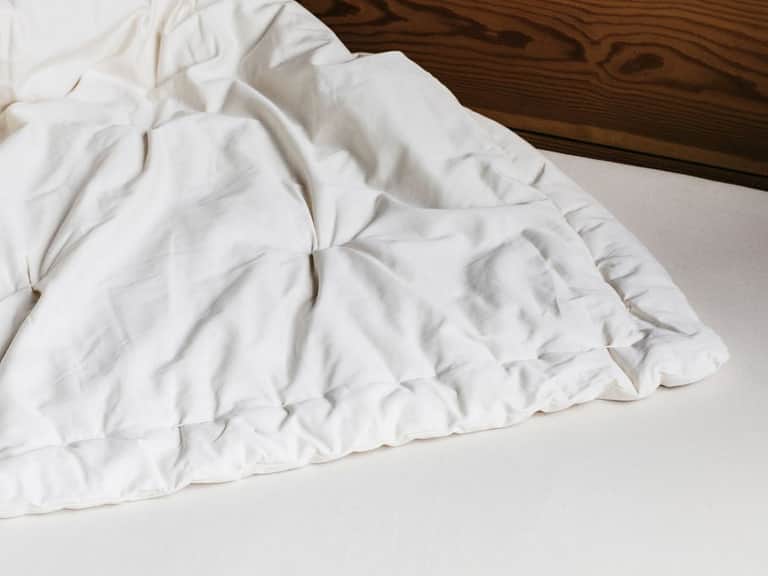
Within this category, products such as the All-Natural Dual-Weight Comforter illustrate practical benefits: moderate warmth with adaptable fill distribution, improved airflow, and long-lasting resilience. Features may include durable fabric coverings, eco-friendly processing, and consistent loft that maintains comfort across seasons and varying mattress types, including organic mattresses and latex options.
For educational purposes, consider how wool comforters interact with other bedding components like pillows and organic mattresses. They complement natural materials—such as natural latex organic mattresses—by reducing heat buildup and supporting an even sleep surface. Meta keywords bedding, pillows, organic mattresses, latex, natural latex organic mattresses align with content that explains material synergies and user benefits.
 Bedding