Aloft, Warmth, and Breathability: The Core Differences
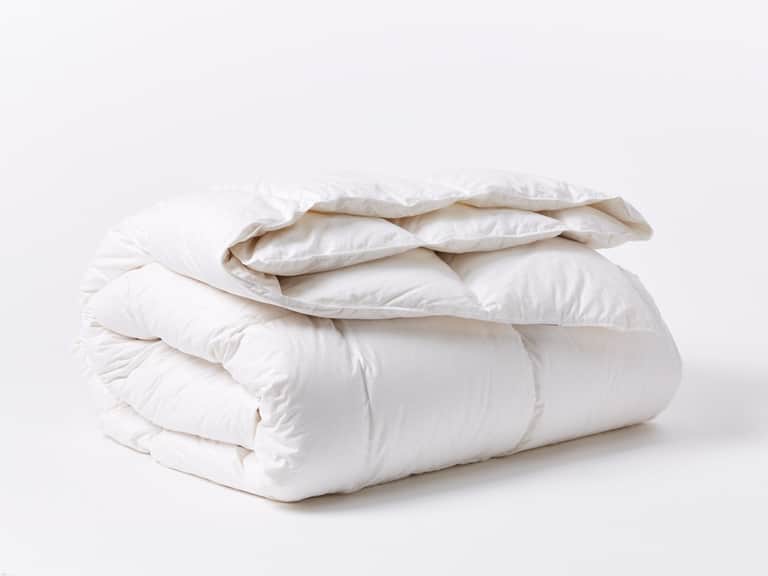
At the heart of every duvet decision lies a simple triad: loft, warmth, and breathability. Traditional down, including eiderdown, is celebrated for its exceptional loft-to-weight ratio. Eiderdown—the soft, insulating down from eider ducks—offers a lighter, yet remarkably warm experience, often described as a luxurious cocoon. In contrast, down alternatives—microfiber fills, wool blends, or plant-based fibers—seek to emulate the warmth and fluff of real down while prioritizing hypoallergenic properties, easier care, or lower environmental impact.
When evaluating loft, consider fill power and fill weight. Fill power, expressed in cubic inches per ounce, indicates the fluffiness and insulating capability of the down. A higher fill power generally means greater warmth with less weight. However, shell fabric also plays a critical role in perceived warmth; a tightly woven shell can trap heat, while a breathable shell supports airflow.
For down-alternative options, loft is achieved through synthetic fibers that mimic the cloud-like feel of down but may differ in “springiness” or compression over time. These fills often excel in easy-care performance, rapid drying, and allergy-friendly profiles.
Sleeping Style and Temperature: Tailoring the Fill
The right duvet fill is not one-size-fits-all. A hot sleeper or a bedroom with warm ambient temperatures benefits from lighter, breathable fills—whether down with a modest loft or a down alternative that prioritizes moisture-wicking and airflow. Conversely, cooler climates or individuals who crave a loftier feel may favor higher fill power down or premium down-alternative blends engineered for steady warmth.
For combination sleepers who shift positions through the night, a balanced approach often works best: a fill with enough loft to cradle the head and core, paired with a breathable shell that avoids overheating during the warm phases of a sleep cycle.
Ethics, Certifications, and Transparency
In today’s bedding market, certifications signal a promise of ethical sourcing and environmental responsibility. The Responsible Down Standard (RDS) assesses animal welfare across the supply chain and ensures that down is sourced from suppliers that adhere to five freedoms of animal welfare. GOTS (Global Organic Textile Standard) certifies organic status, including processing, dyeing, and handling in facilities meeting stringent environmental criteria. OEKO-TEX Standard 100 is a broad safety standard ensuring textiles are free from harmful substances.
Reputable brands, such as Downright, Naturepedic, St Geneve, and Casper, provide transparency about sourcing, processing, and certifications. When comparing duvets, look for explicit references to RDS, GOTS, and other recognized standards, as well as care instructions that reflect the fill’s needs and the shell’s resilience.
Care and Longevity: Caring for Down and Down Alternatives
Proper care extends the life of a duvet. Down-filled inserts typically benefit from occasional airing, professional cleaning for high-loft pieces, and a duvet cover to protect the shell and fill. Down alternatives may be machine washable, often with specific guidelines to preserve loft and prevent clumping. Always follow the manufacturer’s care directions, as improper washing can compromise fill integrity and loft.
For luxury blends like Cloud 700—a 50/50 mix of milkweed fiber and white goose down—the care guidance may include spot-treating and avoiding aggressive washing cycles to protect the delicate milkweed fibers. Such blends aim to combine the light feel of down with the moisture management properties of plant fibers, offering a different care dynamic than traditional down.
Ethical Spotlight: Three Time-Period Figures in Textiles
A historical lens on three luminaries who shaped how we think about materials, warmth, and craft.
Medieval Craftsperson
In a time when textile production was an act of both practicality and prestige, medieval artisans cultivated wool, linen, and emerging cotton techniques. Their tacit knowledge of fiber blend, weave density, and natural dyes informs today’s reverence for durable, breathable shell fabrics and natural fillings.
19th-Century Textile Scientist
The transition from handcraft to mechanized laundering and synthetic fibers began to accelerate in the 19th century. Pioneers in textile science laid the groundwork for understanding loft, fiber resilience, and thermoregulation—concepts that underpin modern duvet fillings and the evolving repertoire of down alternatives.
Contemporary Textile Ethicist
In the 21st century, ethicists and sustainability advocates foreground Responsible Down Standards, organic certifications, and transparent supply chains. Their work translates into consumer empowerment: knowing where materials come from, how they’re processed, and what moral commitments underlie a duvet’s warmth.
Practical Guide: Making an Informed Choice
Following the ethical and technical lens above, the following practical steps help you decide:
- Identify your sleep temperature and seasonality. If you run warm, lean toward lighter fills or breathable shells with cooperative loft like the Cloud 700 blend.
- Evaluate fill power and weight. A higher fill power in down typically equates to greater warmth with less bulk; compare this to weight and wall-to-wall loft in down alternatives.
- Check certifications and sourcing transparency. Prioritize RDS, GOTS, and OEKO-TEX certifications where possible.
- Read care guidelines. Understand whether the product is machine washable, dry-clean only, or spot-clean friendly, and plan maintenance accordingly.
- Consider the shell fabric. A high-thread-count cotton sateen or a tightly woven shell enhances longevity and comfort, especially for high-loft down inserts.
A Closer Look at Notable Products
Among the curated options in contemporary bedding, several standout products reflect the blend of luxury, ethics, and practical care:
Cloud 700 - Best for: A Lofty, Luxurious Feel Without Excess Warmth
A premium duvet insert from Ogallala Comfort Company that blends 50% milkweed fiber with 50% white goose down. The Cloud 700 fill power creates a lofty, breathable warmth, ideal for warmer climates or sleepers who want an airy feel without bulk.
Key features: Whole fill, corner loops, baffled box construction, OEKO-TEX Standard 100 Certified.
Winter Weight Down Duvet Insert
A robust 600-fill-power down insert encased in a 100% organic cotton shell. Designed for cold nights, its stitch-through box construction maintains loft for steady warmth, suitable for winter climates.
Key features: GOTS-certified shell, USA-down fill, machine washable under guided conditions.
Seeded, Sustainable, and Scholarly: The Broader Ecosystem
The duvet ecosystem today rests on a network of ethical farms, certified mills, and transparent trade practices. Consumers increasingly seek products that balance warmth with responsibility—where biodiversity, animal welfare, and human labor standards are embedded in the product narrative. This movement aligns with the broader mission of a resource like eiderdownduvet.org: educational exploration, critical evaluation, and advocacy for sustainable textile practices.
In a landscape of abundance, readers are encouraged to compare the details of each filling, weigh the ethics behind every choice, and consider how a duvet fits into a broader climate-conscious home. The goal is to empower inquiry, not to prescribe a single path.
Conclusion: The art and science of choosing right
The decision to select a down, eiderdown, or down-alternative duvet is not merely about warmth. It is a statement about how we value ecology, animal welfare, and the lifecycle of the fabrics that keep us cozy. By understanding fill types, loft, shell textures, and ethical certifications, the modern sleeper can align comfort with conscience. The journey from raw fiber to the finished duvet is a narrative of craft, science, and stewardship—an enduring story that continues to unfold with every season.